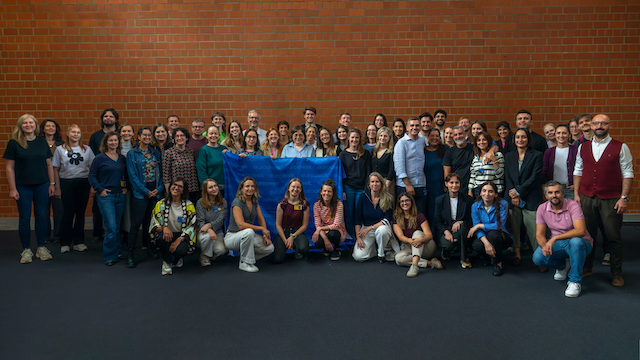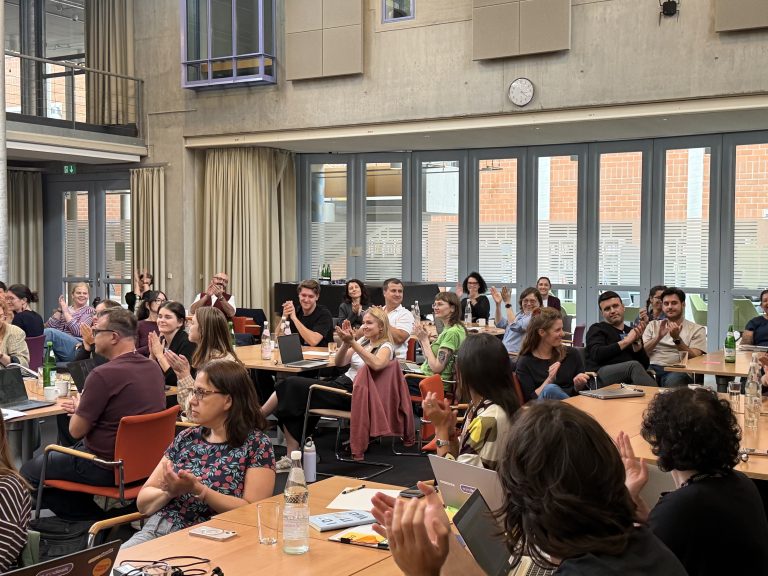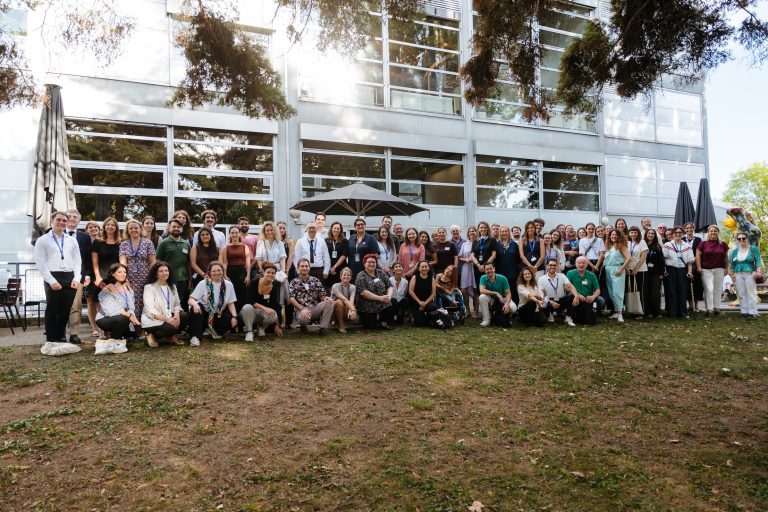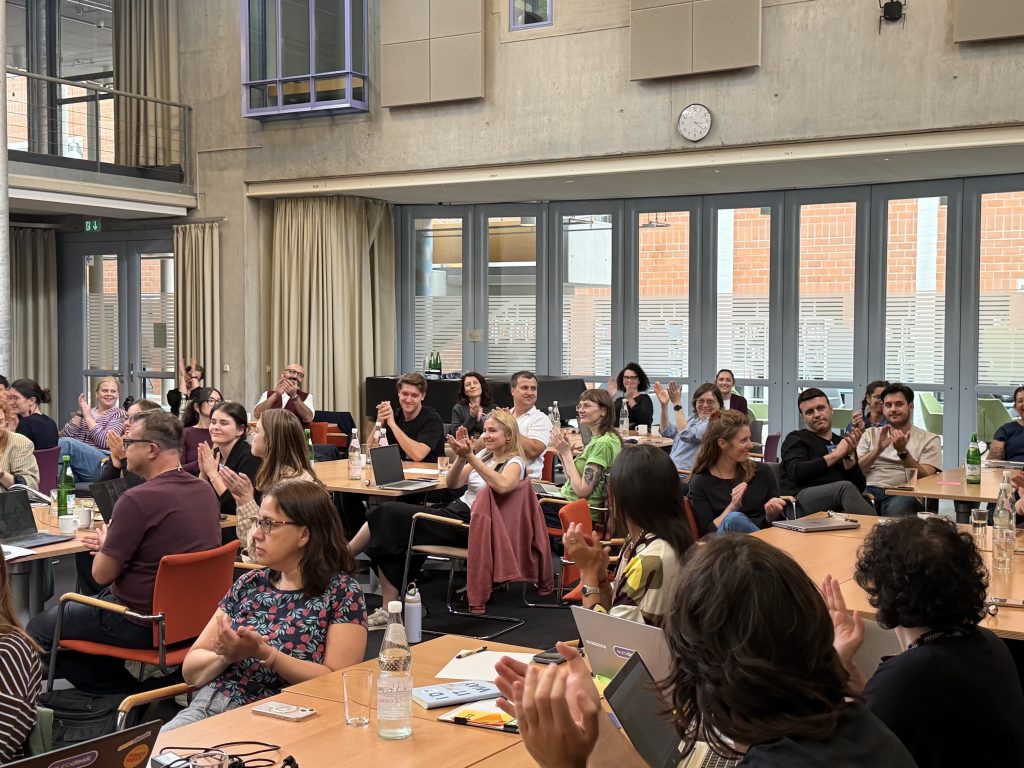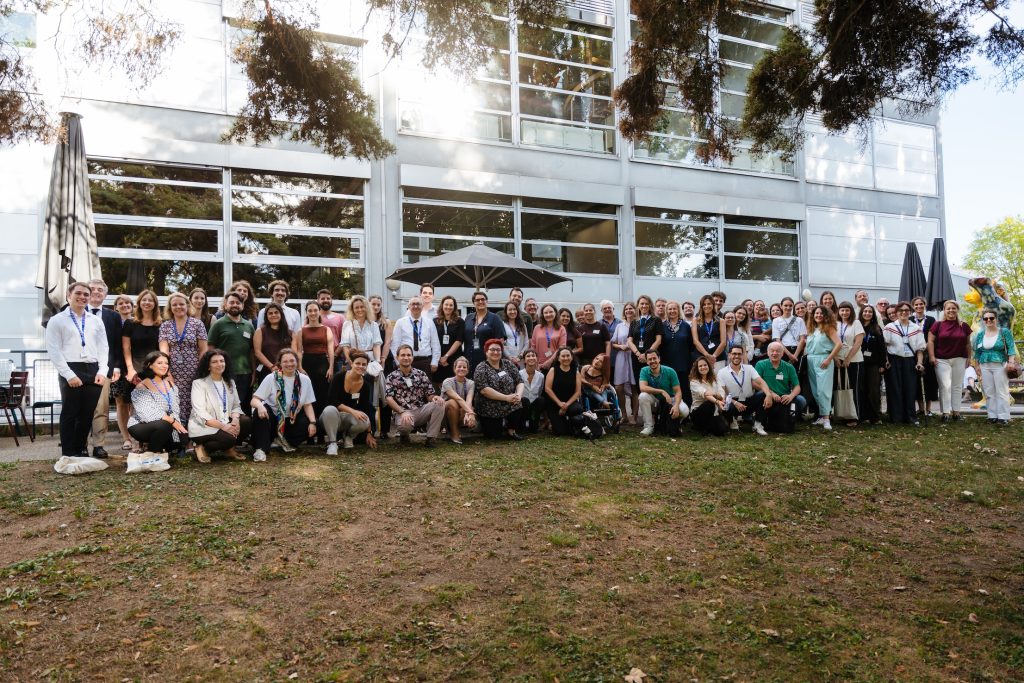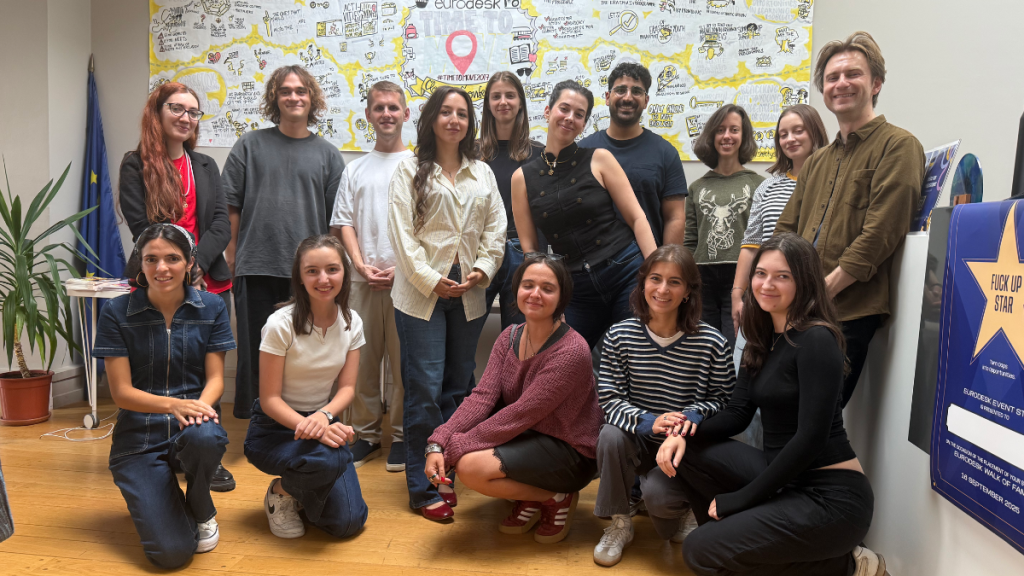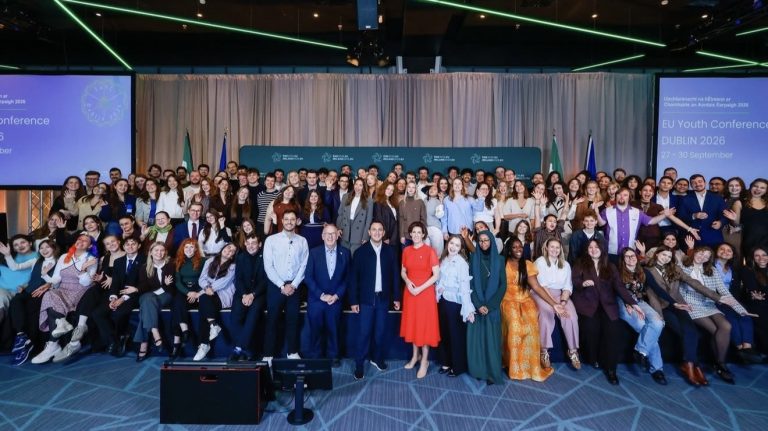
The 12th Cycle of the EU Youth Dialogue, focusing on Information and Constructive Dialogue, kicked off in Dublin, where Eurodesk joined the EU Youth Conference.
Youth delegates, policymakers and youth organisations gathered from 27 to 30 September 2026 in Dublin for the EU Youth Conference (EUYC) under the Irish Presidency. This event kicked off the 12th Cycle of the EU Youth Dialogue, which focuses on European Youth Goal #4: Information & Constructive Dialogue, alongside a major revision of the European Youth Goals. The conference addressed the growing challenges of digital information, media literacy and youth participation, while revising the EU Youth Goals and creating three new ones to defend the interests of young people across Europe.
Working group insights and policy focus
Throughout the conference, delegates engaged in collaborative working groups designed to map out challenges, test algorithmic influences and formulate concrete policy recommendations:
- Navigating today’s information environment: Participants mapped the current digital media system, highlighting information saturation, algorithmic filter bubbles and the right to disconnect. A key consensus was that responsibility must shift from individual users to platform design, regulation and transparent choice architecture.
- Trust, credibility and young people: Delegates explored how young people evaluate credibility in an era of AI acceleration, proposing mechanisms to safeguard verified, independent journalism and build trusted digital spaces.
- Constructive dialogue in polarised times: Discussions focused on enabling respectful exchange across political divides, countering online hostility and fostering empathy-driven engagement.
- Evolution of information: past, present and future: The group mapped the historical shift from traditional information gatekeepers to algorithm-driven environments, formulating skills and policy tools to build long-term democratic resilience.
- Inclusive youth participation and trusted spaces: Delegates stressed that safe, accessible physical spaces (such as youth clubs and community centres) must be protected alongside safe digital spaces, acknowledging youth workers and youth information workers as vital trusted channels.
- Redeveloping the European Youth Goals. A major pillar of the conference was the revision of the European Youth Goals attached to the EU Youth Strategy. Participants proposed keeping and updating three goals (Youth Organisations & European Programmes, Moving Rural Youth Forward and Information and Constructive Dialogue) and adding youth goals on Participation and Democracy (replacing Space and Participation For All), Dignified Life (to tackle housing costs, poverty and economic inequality), Peace and Security (focusing on resilience and human rights education) and Climate Justice and Sustainability (to update the Sustainable Green Europe goal).
Key highlights
Glenn Micallef, European Commissioner for Intergenerational Fairness, Youth, Culture and Sport, highlighted that social media acts as the modern ‘town square’ where young people connect and inform themselves, but stressed that these platforms are not neutral and require bursting online information bubbles to protect democratic discourse.
Hildegarde Naughton, Irish Minister for Education and Youth, addressed the rapid pace of digital content, AI and misinformation, emphasising the necessity for young people to ‘slow down’ to digest information critically, while reinforcing the need for safe physical youth spaces.
Maria Markkula and Caillum Hedderman, from the European Youth Forum, called on decision-makers to move beyond mere consultation to deliver structured, concrete action, advocating for plain-language communication and an enforced ’Youth Check’ across EU policy areas.
Mick Ferron and Grace McManus from the National Youth Council of Ireland (NYCI) emphasised the importance of reaching marginalised young people who are not usually present in policy rooms.
Ondrej Barta and Dan Moxon, researchers and facilitators, presented the cycle timeline and outlined the process to update the European Youth Goals, ensuring they reflect how much young people’s lives have changed over the past decade.
What happens next?
The outcomes from the Irish EU Youth Conference will feed directly into upcoming Council Conclusions on navigating information-saturated environments and expanding safe physical spaces for youth.
The consultation phase will continue across EU Member States through National Working Groups, leading to the second EU Youth Conference in Lithuania (8–11 March 2027), which will focus on platform accountability and mental health, before concluding under the Greek Presidency in September 2027 to consolidate final Council Resolutions.
What is the EU Youth Dialogue 12th Cycle?
The EU Youth Dialogue is the primary mechanism for structured youth participation in European policy-making. Organised in 18-month cycles, it brings together young people, youth delegates, decision-makers and researchers to ensure European youth policies directly reflect young people’s real lived experiences.