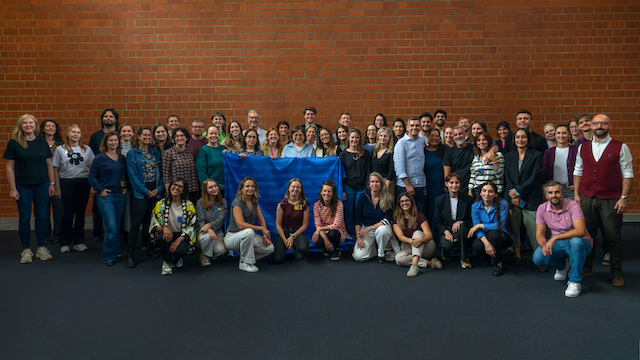
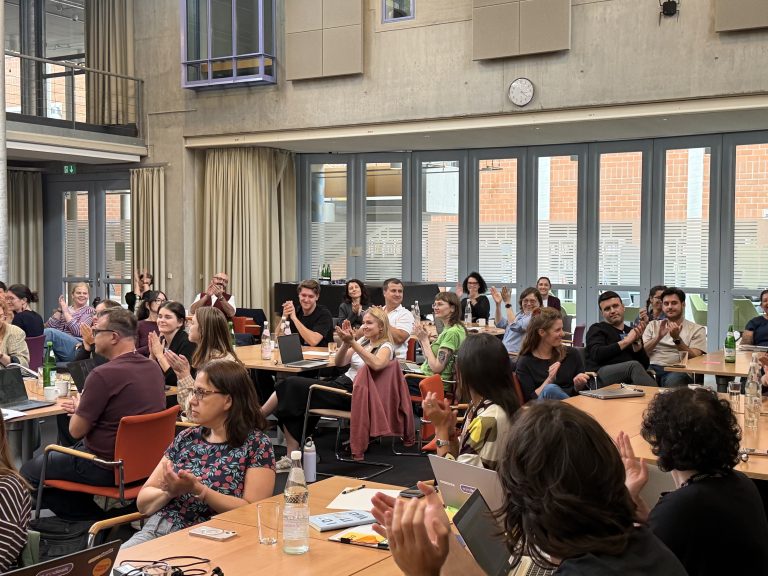
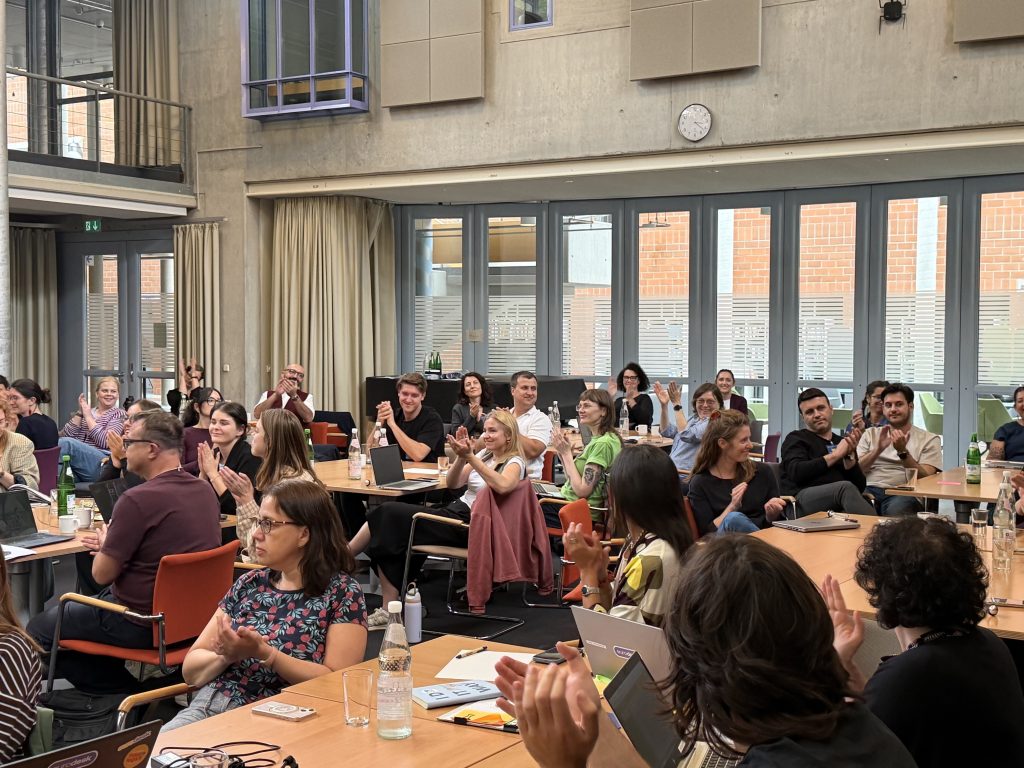
Eurodesk attended the international conference “Youth Perspectives in Contemporary Europe” organised on 20-21 October within the framework of the Partnership between the European Commission and the Council of Europe in the field of youth. The conference was an opportunity to take stock of the Partnership’s research and identify topics for a future research agenda.
This conference was organised shortly after the Ministers of the Council of Europe member States in charge of youth affairs adopted a Resolution on the Council of Europe Reference Framework on a Youth Perspective, in Malta, on 9 October 2025. This document emphasises youth perspectives, a concept discussed extensively during the event.
What is a youth perspective?
It’s a strategic approach to policy and decision-making that ensures young people’s experiences, needs, and interests are consistently included throughout the policy process. This approach aims to create more relevant and future-oriented policies by introducing structural changes in how policies are elaborated, adopted, adapted, implemented, and evaluated with and for young people.
What’s the difference between a youth perspective and youth mainstreaming?
The policy review of the EU and CoE Youth Partnership, “Learning from national and local approaches to youth mainstreaming and the use of youth perspective in policy making across Europe,” explains what these processes entail. Mainstreaming and youth perspectives share similar goals and should be part of the same agenda, but “mainstreaming” is more focused on policy improvement. In contrast, “youth perspectives” is more about including their realities in policymaking. It’s a renewed commitment to improving living conditions and protecting and strengthening the human rights of young people. It calls to sustain this approach over time, requiring both institutional commitment and adequate human and financial resources.
The Youth knowledge book “Angles and standpoints: demystifying the concepts of ‘youth perspective’ & ‘youth mainstreaming’” draws examples of both mainstreaming and youth perspectives from the youth sector and beyond to make more conceptual and practical sense of the meaning of these terms.
These two publications will soon be released as valuable resources to support the political ambition to implement a youth perspective.
How to ensure meaningful processes and coherence with existing representative organisations?
Spyros Papadatos, Rural Youth Europe, highlighted that youth mainstreaming has led to the proliferation of new structures, such as youth panels and ambassadors. How can we measure whether they are meaningful and impactful (and not tokenistic), and operate alongside existing ones, such as associations representing young people, like the European Youth Forum? These are key issues to take on board. For that, it’s essential to be clear on the purposes, mechanisms and outcomes of these mechanisms to properly evaluate them and their usefulness.
Why is research and data collection so crucial for these processes?
During the conference, researchers, policy-makers and civil society representatives discussed the current challenges of young people in Europe and beyond, including the shrinking civic space they are experiencing. Too many young people are facing poverty, security threats, mental health issues, disinformation and climate change impacts. Collecting data about their realities is essential when designing, implementing and evaluating policies.
As Karen Vandeweghe of the European Commission highlighted, evidence-based policymaking is a guiding principle for the Commission. It ensures “we move beyond simple assumptions, into getting a real understanding of the needs, challenges and aspirations of young people”. Tobias Flessenkemper, Head of the Youth Department of the Council of Europe, added that it can also support anticipation and a “fresh look at things”. Tom Matthew, board member of the European Youth Forum, stressed the importance of using data to design policies that make a change in young people’s lives and reflect their situations.
What is available data/research in the field?
International institutions, including the EU, and national authorities collect data, including specifically on young people. These were used to develop research and policy. Some were presented during the conference:
Global youth participation index – GYPI provides global rankings and country-level scores across four key dimensions of youth participation: Socio-Economic, Civic Space, Political Affairs and Elections. Provides regional insights and thematic trends, with actionable recommendations for policymakers, civil society, and international organisations.
Current state of youth civic space in Europe, study results, Youth Partnership – The study includes qualitative and quantitative data collection and analysis of trends and priorities in young people’s participation in the context of shrinking space and growing populism, and presents recommendations for policy-making and youth work practice.
EU Youth Report – The report provides a comprehensive overview of the main challenges and trends shaping the lives of young people across the EU (90 indicators, 10 chapters). They began work on the next edition, planned for 2027. New areas will be covered: mental health, disinformation and fake news, and climate change.
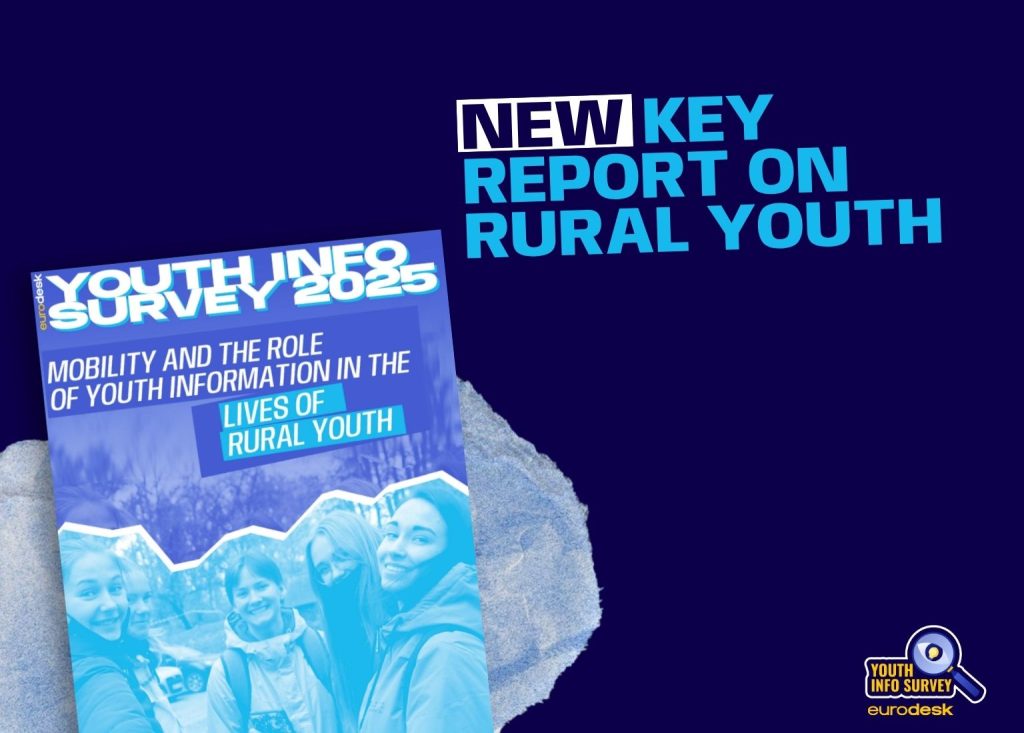
As a representative of Eurodesk, I mentioned our Youth Information Survey to underscore that youth information is a prerequisite for youth participation. Our research focuses on mobility and mobility information, but the lack of access to quality information is a barrier to access to youth rights in general. This dimension could be explored in research, including in the next edition of the EU Youth Report.